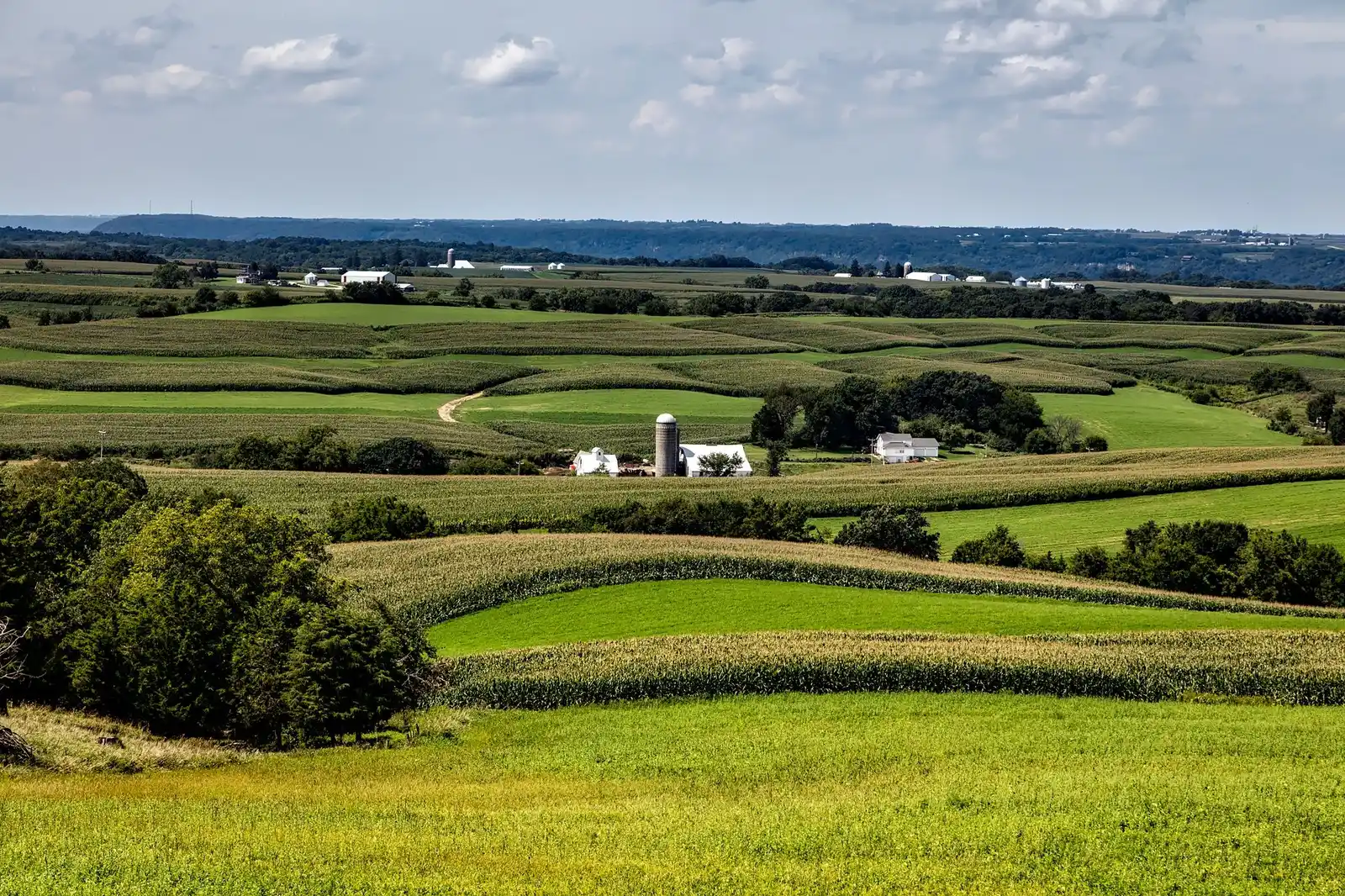
Statewide Iowa Radon
Iowa Has the Highest Radon Levels in America. Radon mitigation and testing for Iowa homes.
NRPP-certified, Iowa HHS-credentialed radon mitigation specialists work across Iowa, from Sioux City to Dubuque. If your test came back high or a home sale triggered a radon contingency, get a free, no-obligation quote today.
Iowa’s average indoor radon level
About 71.6% of Iowa homes test at or above the EPA action level of 4.0 pCi/L, the highest share of any state.
Source: Iowa HHS, US EPA
- NRPP-Certified, Iowa HHS-Credentialed Specialists
- Free Mitigation Quotes
- EPA Action-Level Focused
- Statewide Iowa Coverage
- Fast Local Scheduling
Who Does Radon Mitigation in Iowa?
Radon mitigation in Iowa is performed by specialists credentialed by the Iowa Department of Health and Human Services, which publishes the statewide credentialed specialist list. Tell us your radon level and get a free, no-obligation quote from a credentialed specialist near you.
Is There a Grant for Radon Mitigation in Iowa?
Iowa has no statewide radon tax credit and no statewide radon grant. The Iowa Department of Revenue's list of tax credits and exemptions covers farmland, geothermal, solar, homesteads and veterans, and not one entry on it is radon (list read in full 2026-08-18). One city program does exist: the City of West Des Moines runs a Radon Mitigation Program that may help income-qualified households inside the city limits with radon testing before and after plus the work to fix the hazard. Owner-occupied homes and rentals both qualify. The amount and the income limit are the city's to set and they change, so read the city's page for current terms. Full detail, and what a system costs without help, is in the Iowa radon mitigation cost guide.
- Iowa Department of Revenue, Tax Credits and Exemptions,
- City of West Des Moines Radon Mitigation Program.
Why Iowa Homes Test Higher for Radon Than Almost Anywhere in America
Radon is a naturally occurring radioactive gas that seeps up from the ground. Iowa’s glacial-till soils sit over uranium-bearing bedrock, and that geology produces more radon than almost any other place in the country. The state average is around 8.5 pCi/L, compared with a US average near 1.3 pCi/L, and roughly 71.6% of Iowa homes test above the EPA action level of 4 pCi/L. All 99 Iowa counties sit in EPA Radon Zone 1, the highest-risk category.
Radon is the second leading cause of lung cancer after smoking, according to the EPA. You cannot see it or smell it, so a test is the only way to know your home’s level. The encouraging part is that radon is fixable. Radon mitigation uses a sub-slab depressurization system to vent soil gas safely above the roofline, and a credentialed specialist re-tests afterward to confirm the level dropped.
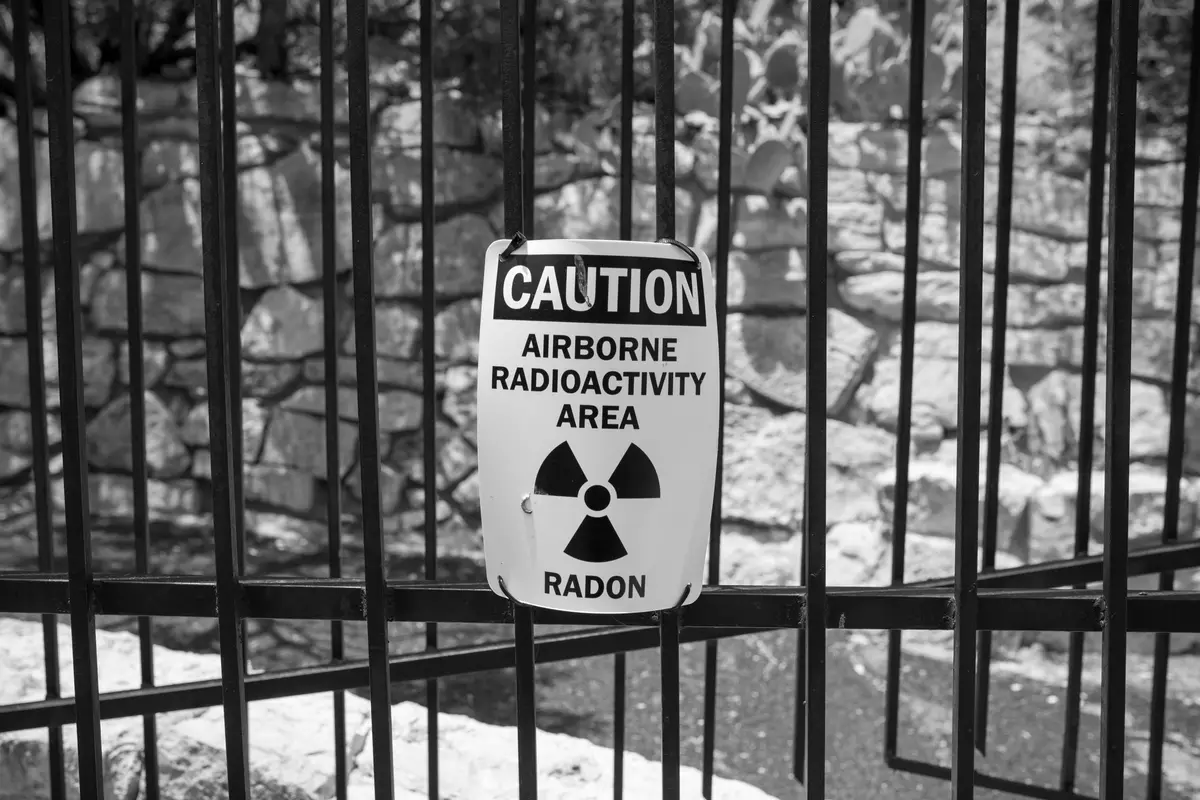
Radon Solutions for Iowa Homes
Radon Mitigation
The standard active soil depressurization system that vents radon from beneath the slab to above the roofline.
Learn MoreRadon Testing
Short-term and long-term radon measurement. Testing is the only way to know your home is above or below the action level.
Learn MoreReal Estate Radon Testing
Fast, transaction-timeline testing for home sales and purchase contingencies, with results that fit closing deadlines.
Learn MoreCrawl Space Radon Mitigation
Sub-membrane depressurization for homes with crawl spaces, sealing and venting soil gas at the source.
Learn MoreRadon System Repair
Diagnosing failing fans, re-testing, and bringing older systems back under the EPA action level.
Learn MoreNew Construction Systems
Passive and active radon-resistant new construction (RRNC) rough-in built into the home from the start.
Learn MoreCredentialed Specialists, Free Quotes, Statewide Iowa
Credentialed Specialists Only
Every specialist holds the NRPP certification and Iowa HHS credential this work requires.
Free, No-Pressure Quotes
Estimates are genuinely free and standard in this trade. No obligation, no hard sell.
Focused on the EPA Action Level
The goal is straightforward: getting your home below the 4 pCi/L action level.
Statewide Iowa Coverage
From Sioux City to Dubuque and across the state, with fast local scheduling.
The NRPP-certified, Iowa HHS-credentialed partner contractor is licensed and insured and provides a written workmanship warranty.
How Radon Mitigation Works in Iowa: Four Steps
Free Quote Request
Submit the short form or call. Share your most recent radon level if you have one.
Specialist Contact & Assessment
A credentialed specialist reaches out to review your home and confirm scope.
System Installation
A standard sub-slab system is typically installed in about one day for a standard home.
Post-Mitigation Re-Test
The specialist re-tests after installation to confirm the level dropped below the action level.
Radon Help Across Iowa
We are launching in the metros where Iowa homeowners need the most help first, and expanding across the state from there.
Des Moines, IA
Polk County
Cedar Rapids, IA
Linn County
Sioux City, IA
Woodbury County
Dubuque, IA
Dubuque County
Iowa City, IA
Johnson County
Don’t see your city? Call us, we serve homeowners statewide. See our service area.
When Iowa Homeowners Should Test or Mitigate for Radon
Radon has no smell and causes no symptoms. Testing is the only way to know.
- 1
You have never tested. Most Iowa homes have elevated radon, and testing is the only way to know yours.
- 2
Your test came back at or above 4 pCi/L. That is the EPA action level where mitigation is recommended.
- 3
You are buying or selling a home. A radon contingency or Iowa disclosure can put testing on a tight timeline.
- 4
You finished a basement. Adding living space below grade increases time spent in the highest-radon part of the home.
- 5
You have a new baby or someone with respiratory issues. Long-term radon exposure is a health risk worth ruling out.
- 6
Your home is more than a few years old and untested. Radon levels can change over time, so an old result is not the final word.
- 7
A neighbor tested high. Nearby geology is similar, though every home should be tested on its own.
Any of these sound familiar? Start with a free quote.
Get My Free Radon QuoteIowa Radon Resources
Sourced guides to help you understand radon, costs, and Iowa’s rules before you decide.
Frequently Asked Questions
Why is radon so high in Iowa?
Iowa sits on glacial-till soils over uranium-bearing bedrock, and all 99 Iowa counties are EPA Radon Zone 1. The state average is around 8.5 pCi/L compared with a US average near 1.3 pCi/L, and roughly 71.6% of Iowa homes test above the 4 pCi/L action level, according to the EPA and Iowa HHS.
How much does radon mitigation cost in Iowa?
According to published Iowa contractor pricing, a standard sub-slab system runs roughly $800 to $2,500, with a median around $1,400. The specialist provides a written, itemized quote before any work.
How long does a mitigation system take to install?
For a standard home, a sub-slab depressurization system is typically installed in about one day. Crawl spaces or homes with multiple foundation areas can take longer.
What radon level is dangerous?
The EPA sets an action level of 4 pCi/L, the point at which it recommends reducing radon. Radon is the second leading cause of lung cancer after smoking per the EPA, and there is no completely risk-free level, so lower is better.
Do I need to test before I sell my home in Iowa?
Iowa requires sellers to disclose known radon test results, and many transactions include a radon contingency, so testing commonly comes up during a sale. A specialist can run a transaction-timeline test to keep your closing on schedule.
Does a mitigation system really lower radon below 4 pCi/L?
Properly installed systems typically reduce radon by 50 to 99% according to the EPA, and the specialist re-tests after installation to confirm the result. The specific final number is reported by the specialist after that test.
Are radon quotes really free?
Yes. Quotes are genuinely free and standard in this trade. A credentialed specialist provides a free, no-obligation estimate.
Who actually does the work?
An NRPP-certified, Iowa HHS-credentialed partner contractor in your area. That contractor is licensed and insured and provides a written workmanship warranty. You contract directly with the specialist for any work performed.
What it costs, and what happens after you send it
- What does radon mitigation cost in Iowa?
- A residential system runs roughly $800 to $2,500, with a median around $1,400. A standard sub-slab system for a basement home sits at the lower end, $800 to $1,800, while a crawl space or multi-area job runs $1,500 to $2,500. Those figures are published Iowa contractor pricing, market data for comparison rather than a quote or a price set by us. The Iowa cost guide breaks the figures out by system type and lists what moves a quote.
- How fast will someone get back to me?
- Your request goes to an independent local radon professional, usually within about an hour during the day. That professional then contacts you to look at the home and quote the work on their own schedule.
- What work is covered?
- Radon mitigation, radon testing, real estate radon testing, crawl space mitigation, system repair, and new-construction systems. See every service.
Only an independent radon professional who walks your home can price the actual job.
You Can’t Smell Radon. You Can Fix It. Get a Free Quote Today.
Iowa’s radon risk does not go away on its own, but mitigation is a one-time, affordable fix relative to the health risk. Tell us about your home and get a free, no-obligation quote.
Updated