Iowa Radon Guide
How a Radon Mitigation System Works
Radon mitigation sounds technical, but the idea is simple. This guide walks through the science, the parts of a system, and how a credentialed specialist vents radon safely out of an Iowa home.
The short answer
A radon mitigation system uses a sealed pipe and a continuously running fan to pull radon-laden soil gas out from under the foundation and vent it above the roofline. By keeping the soil under negative pressure, the system stops radon from seeping into the home in the first place.
The Science: Why Radon Gets In, and How a System Stops It
Radon is a colorless, odorless gas produced as uranium in soil and rock breaks down. In Iowa there is a lot of it. All 99 Iowa counties are EPA Radon Zone 1, the highest-risk category, and the Iowa state average indoor level is around 8.5 pCi/L compared with a US average near 1.3 pCi/L per Iowa HHS. Roughly 71.6% of Iowa homes test above the EPA action level of 4 pCi/L per Iowa HHS. Radon is the second leading cause of lung cancer in the United States after smoking according to the EPA.
Soil gas does not seep into a home at random. Warm air inside a house rises and escapes through upper levels, which lowers the air pressure near the foundation. That low-pressure zone acts like a straw, drawing soil gas (and the radon in it) up through cracks in the slab, floor-wall joints, sump pits, and gaps around pipes. Building scientists call this the stack effect, and it is strongest in winter when the temperature difference between inside and outside is greatest.
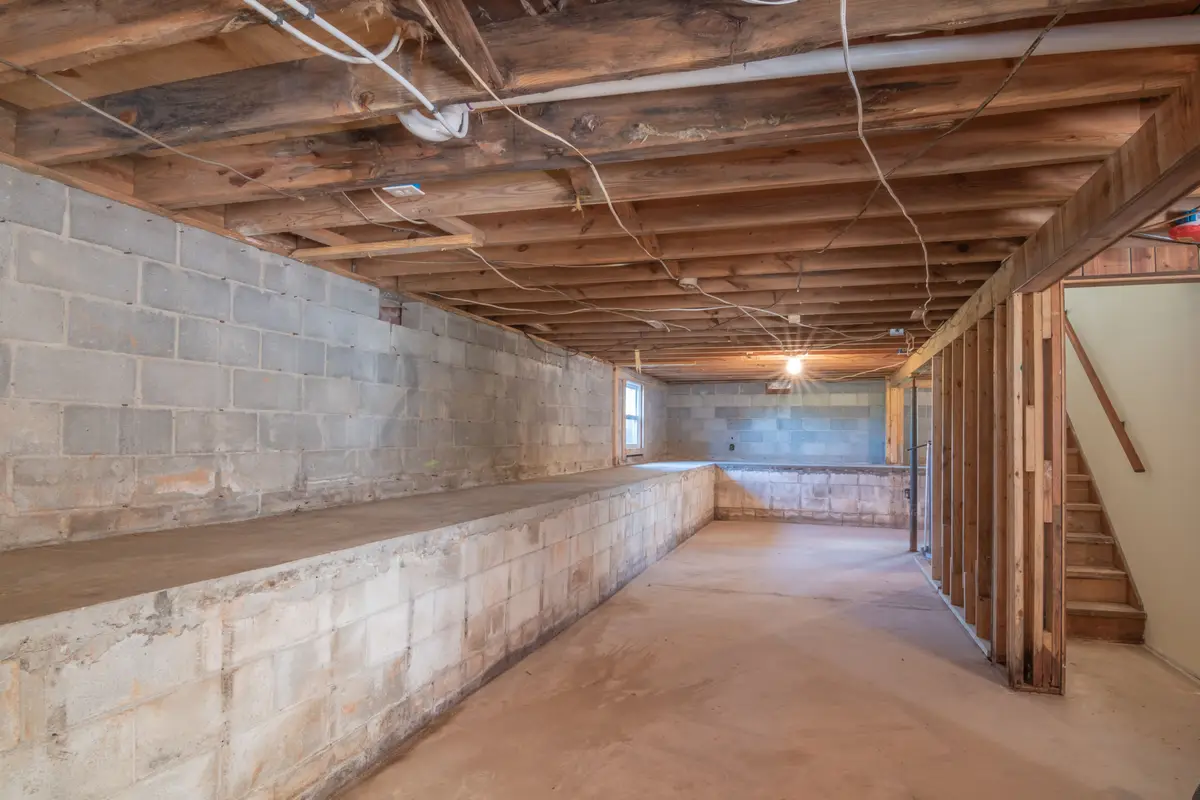
An active sub-slab depressurization system reverses that pull. A fan creates suction in the gravel or soil beneath the slab, so the area under the foundation sits at lower pressure than the living space above it. Instead of radon being drawn up into the home, it is drawn down into the system and pushed safely outdoors. Properly installed systems typically reduce radon by 50 to 99% according to the EPA.
The Parts of a Radon Mitigation System
Active sub-slab depressurization is the standard approach for homes with a basement or slab-on-grade foundation. A complete system is built from a handful of components, each with a clear job.
Suction point in the slab
A specialist cuts a hole through the concrete floor and removes some of the gravel or soil underneath to create a small cavity. This suction point is where the system draws soil gas from. Most homes need only one suction point, though larger or compartmentalized foundations may need more so the fan can reach the whole footprint.
Sealed PVC pipe
A length of sealed PVC pipe (commonly 3 or 4 inches) connects to the suction point and runs up through the home or along an exterior wall. Every joint is glued and airtight so the fan pulls only from beneath the slab and not from the living space.
In-line radon fan
A purpose-built radon fan sits in the pipe run and provides the suction. Building standards require the fan to be located in an unconditioned space, such as an attic or the exterior of the home, so that if the pipe ever leaks under pressure it does not push radon back into the living area. The fan runs continuously and draws roughly the power of a low-wattage light bulb.
Vent terminating above the roofline
The pipe carries soil gas up and discharges it above the roof, well away from windows and other openings, so the radon disperses harmlessly into the open air rather than re-entering the house.
U-tube manometer (pressure gauge)
A small clear U-shaped tube partly filled with colored liquid is mounted on the pipe. When the fan is pulling suction, the two columns of liquid sit at different heights. A glance tells the homeowner the system is running. If the liquid levels are even, the fan may have failed and the system needs attention.
Sealed sump lid, where applicable
Homes with a sump pit get an airtight sealed sump lid so the pit does not become a giant open entry point for soil gas. In some homes the pit itself is used as the suction point, with the system drawing through the sealed lid.
The Installation, Step by Step
- 1
Diagnose and locate the suction point
The specialist evaluates the foundation, checks how well air moves under the slab, and chooses the best spot (or spots) to draw from so a single fan can depressurize the whole footprint efficiently.
- 2
Install the pipe and fan
The specialist cuts the suction point, runs sealed PVC pipe up through the home or along an exterior wall, and mounts the in-line fan in an unconditioned space such as an attic or outside the home.
- 3
Seal entry points and cracks
The specialist seals visible cracks, the floor-wall joint, gaps around pipes, and the sump pit. Sealing reduces the air the fan wastes pulling from inside the home and helps the system hold strong negative pressure under the slab.
- 4
Vent above the roofline and verify
The pipe terminates above the roof, the manometer confirms suction, and the specialist performs a post-mitigation radon test to confirm the level dropped below the EPA action level.
EPA Vent-Placement Standards
Where the pipe discharges matters as much as how hard the fan pulls. EPA guidance and the AARST mitigation standards call for the vent to release radon high and clear of the home so it disperses before it can find its way back inside. In practice that means three things:
- The discharge point sits above the eave and above the roofline, not at ground level or beside a deck.
- The vent rises a minimum distance above the roof surface so gas exits into moving air.
- The outlet is set back a required horizontal distance from windows, doors, and other openings so radon does not re-enter the house.
These placement rules are why radon pipes you see on Iowa homes run all the way up past the gutter line rather than ending at the foundation. A credentialed specialist follows the current standards as part of a proper installation.
Crawl Spaces, Re-Testing, and Maintenance
Crawl space homes use a membrane
A home with a crawl space cannot draw from a slab, so the specialist uses a variation called sub-membrane depressurization. A heavy sealed plastic membrane is laid across the crawl space floor, and the fan draws soil gas from beneath the membrane and vents it above the roofline. The science is identical to a slab system: keep the soil gas under negative pressure and route it safely outside. You can read more on the crawl space radon mitigation page.
Why post-mitigation re-testing matters
Installing the hardware is only half the job. A radon test after installation is the only way to prove the level actually fell below the EPA action level of 4 pCi/L. The specialist runs this re-test once the system is up and running, and many homeowners choose to re-test every few years afterward because radon levels can drift over time and with home renovations. Not sure what your number means? Try the radon action level calculator.
Living with the system
Maintenance is light. The fan runs continuously and is built to last for years, though fans do eventually wear out and need radon fan replacement. Check the U-tube manometer now and then. As long as the two liquid columns sit at different heights, the system is pulling suction. Keep the vent pipe clear and avoid covering or unplugging the fan. If the manometer ever reads even, contact the installing specialist. Our guide to radon mitigation system maintenance walks through the full check, the retest interval, and the Iowa rules that cover who can service the system.
Who Installs Your System
An independent specialist handles the diagnosis, the installation, and the post-mitigation re-test. The NRPP-certified, Iowa HHS-credentialed partner contractor is licensed and insured and provides a written workmanship warranty.
Want a clearer picture of the full service or the cost? See what Iowa requires for radon removal and radon mitigation in Iowa, how to check Iowa radon mitigation companies before you sign, or get a free, no-obligation quote.
Radon Mitigation System, Remediation System, Reduction System: Same Thing, Different Names
You may see this equipment called a radon mitigation system, a radon remediation system, a radon reduction system, a radon vent or venting system, or a radon abatement system. They all refer to the same thing: an active soil depressurization system that uses a fan and a sealed pipe to draw radon from beneath the home and vent it above the roofline. The name a contractor uses is a matter of regional habit, not a difference in the technology or how well it works.
Frequently Asked Questions
How does a radon mitigation system actually lower radon?
The most common system is active sub-slab depressurization. A specialist cuts a suction point through the concrete slab, runs a sealed PVC pipe up and out of the home, and connects an in-line fan that pulls soil gas out from under the foundation and vents it above the roofline. Because the fan keeps the area under the slab at lower pressure than the house, radon is drawn outside instead of seeping indoors. Properly installed systems typically reduce radon by 50 to 99% according to the EPA.
Does the radon fan run all the time?
Yes. An active sub-slab depressurization fan is designed to run continuously, 24 hours a day. It uses about as much electricity as a low-wattage light bulb. Running it nonstop keeps the area under the slab under steady negative pressure so radon cannot build back up.
How do I know the system is working?
Every system includes a U-tube manometer, a small pressure gauge mounted on the pipe. When the two columns of liquid sit at different heights, the fan is creating suction and the system is running. The only way to confirm the actual radon level dropped is a post-mitigation re-test, which the specialist performs after installation.
What if my home has a crawl space instead of a slab?
Crawl spaces use a variation called sub-membrane depressurization. A specialist lays a sealed plastic membrane over the crawl space floor and uses a fan to draw soil gas out from beneath it, then vents it above the roofline. The principle is the same as a slab system: keep the soil gas under negative pressure and route it safely outdoors.
Who installs the system, and is the work guaranteed?
An independent specialist. The NRPP-certified, Iowa HHS-credentialed partner contractor is licensed and insured, provides a written workmanship warranty, and you contract directly with them.
Is a radon remediation system the same as a radon mitigation system?
Yes. A radon remediation system, a radon reduction system, a radon abatement system, and a radon vent or venting system all describe the same active soil depressurization setup that a radon mitigation system uses. The wording varies by region and contractor, but the technology is identical: a fan and a sealed pipe that draw radon from beneath the home and vent it above the roofline.
What is a radon reduction or abatement system?
A radon reduction system, also called a radon abatement system or a radon venting system, is another name for a radon mitigation system. It lowers indoor radon by depressurizing the soil under the foundation and routing the gas outside. Properly installed systems typically reduce radon by 50 to 99% according to the EPA.
Get Your Free Iowa Radon Quote
Tell us about your home and get a free, no-obligation quote from a credentialed Iowa radon specialist. No pressure, no hard sell.
Updated